JOINT REPLACEMENT
Joint replacement surgery is a procedure that replaces a damaged joint with an artificial joint. This is often considered when non-surgical treatments, such as medication, physical therapy, and lifestyle changes, have failed to provide relief.
Common types of joint replacement surgery:
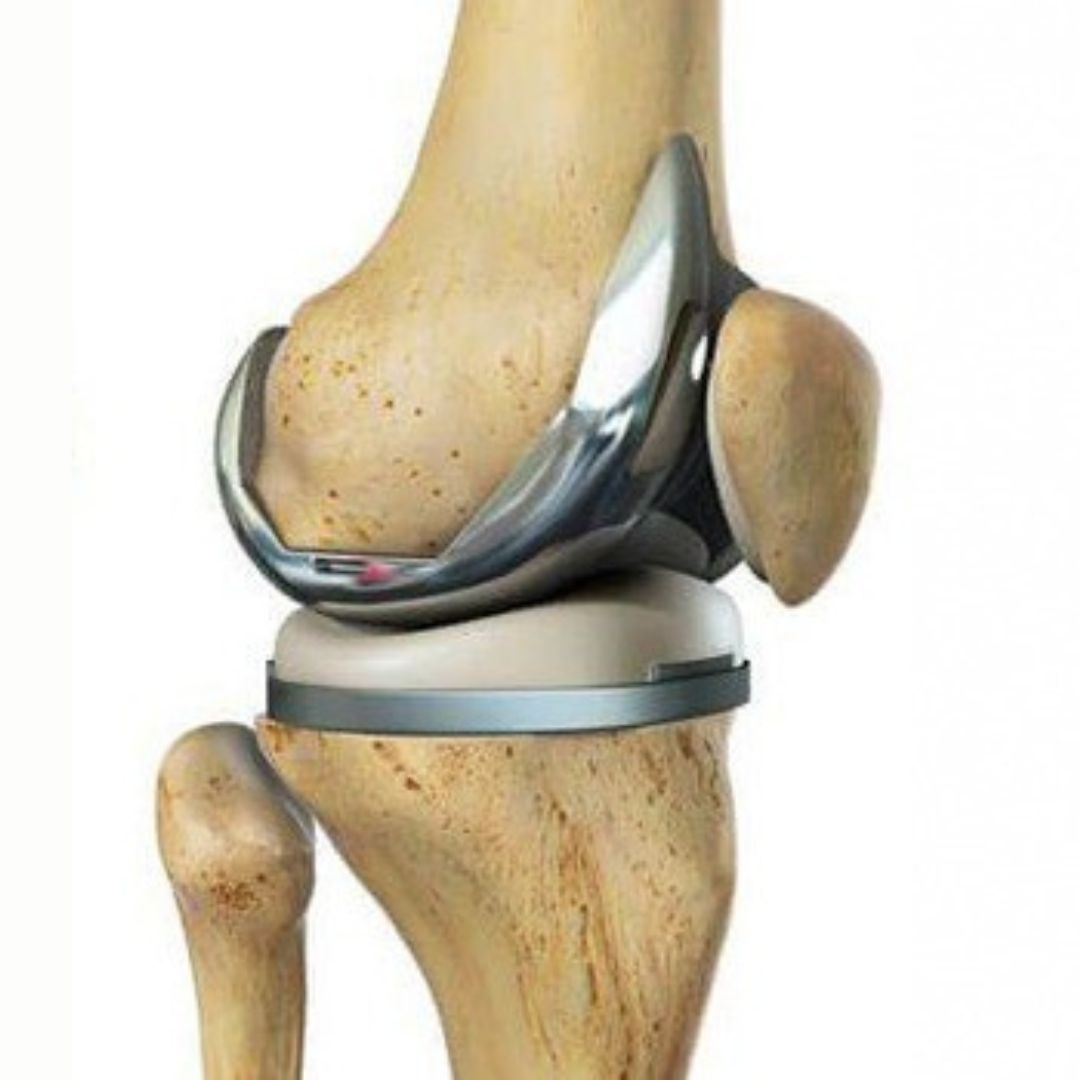
- Knee replacement: Replaces a damaged knee joint with an artificial one made of metal and plastic.
- Hip replacement: Replaces a damaged hip joint with an artificial one made of metal and plastic.
- Shoulder replacement: Replaces a damaged shoulder joint with an artificial one made of metal and plastic.
Benefits of joint replacement surgery:
- Pain relief: Can significantly reduce pain and improve quality of life.
- Increased mobility: Can restore range of motion and allow patients to return to activities they enjoy.
- Improved function: Can help patients perform daily tasks more easily.
Recovery from joint replacement surgery typically involves:
- Physical therapy: To strengthen the muscles around the new joint and improve range of motion.
- Pain management: Medications may be prescribed to manage pain during the recovery process.
- Gradual return to activity: Patients are typically encouraged to gradually increase their activity level over time.