ARTHROSCOPY AND SPORTS MEDICINE
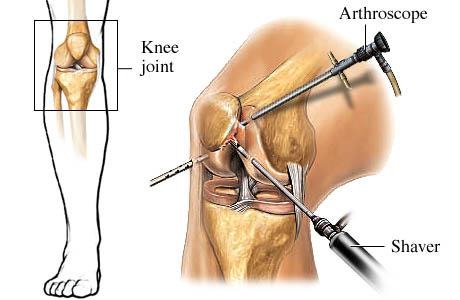
Arthroscopy is a minimally invasive surgical procedure that allows doctors to diagnose and treat joint problems using small incisions. This advanced technique is particularly valuable in the field of sports medicine, where athletes often experience injuries to joints like the knee, shoulder, and ankle.
How does arthroscopy work?
- Small incisions: A surgeon makes tiny incisions around the affected joint.
- Arthroscope insertion: A thin, lighted tube with a camera (arthroscope) is inserted into the joint.
- Visualization and treatment: The surgeon can see inside the joint and perform procedures like repairing torn ligaments, removing damaged cartilage, or draining fluid.
Common conditions treated with arthroscopy:
-
Arthroscopy is a minimally invasive surgical procedure used to diagnose and treat joint problems. It allows orthopedic surgeons to view, repair, or remove damaged tissue inside joints through small incisions, using a camera and specialized instruments. Some of the most common conditions treated with arthroscopy include:
-
Torn Cartilage (Meniscus) Arthroscopy is often used to repair or trim damaged cartilage in the knee. Meniscus tears, which occur due to injury or degeneration, can cause pain, swelling, and limited movement.
-
Ligament Injuries Injuries to ligaments such as the ACL (anterior cruciate ligament) in the knee can be treated arthroscopically. The procedure allows for precise reconstruction, helping athletes and active individuals return to their activities.
-
Shoulder Rotator Cuff Tears Rotator cuff injuries, common in athletes and those involved in repetitive overhead activities, can be repaired using arthroscopy. This technique allows for less pain and quicker recovery than traditional open surgery.
-
Shoulder Impingement Syndrome When the tendons or bursa in the shoulder become irritated or compressed, it can lead to pain and stiffness. Arthroscopy helps relieve these symptoms by removing inflamed tissue or bone spurs.
-
Loose Bodies Fragments of bone or cartilage can become loose and move around inside the joint, causing pain and restricting movement. Arthroscopy can locate and remove these loose bodies, restoring joint function.
-
Cartilage Damage Damaged cartilage, whether due to injury or osteoarthritis, can be smoothed, repaired, or removed using arthroscopy, reducing pain and improving joint mobility.
-
Joint Inflammation (Synovitis) Inflammation of the synovial lining inside joints, often caused by conditions like rheumatoid arthritis, can be treated arthroscopically by removing the inflamed tissue.
Benefits of arthroscopy:
- Minimally Invasive: Small incisions mean less pain and quicker healing.
- Faster Recovery: Patients often return to daily activities sooner.
- Less Scarring: Tiny cuts result in minimal scarring.
- Lower Infection Risk: Reduced risk due to smaller wounds.
- Outpatient Procedure: Many patients go home the same day.
- Precise Diagnosis: Direct view of the joint ensures accurate treatmen